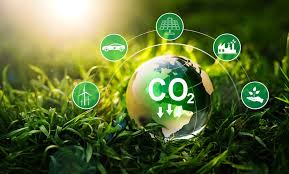
As concerns about climate change and environmental degradation continue to rise, more people are seeking ways to live sustainably. Sustainable living focuses on reducing resource consumption, minimizing waste, and adopting eco-friendly habits. Thankfully, technology has played a significant role in making sustainable living more achievable, offering individuals and businesses new tools to reduce their environmental footprint.
Smart Homes for Energy Efficiency
One of the most significant advancements in sustainable living is the rise of smart home technology. Smart thermostats, energy-efficient appliances, and automated lighting systems help reduce energy consumption in households. These devices allow homeowners to control their energy use remotely, ensuring that energy is only used when necessary.
For example, smart thermostats can learn your schedule and adjust the temperature accordingly, reducing heating and cooling costs. Similarly, energy-efficient appliances use less electricity, helping to lower both energy bills and environmental impact. These smart devices make it easier for individuals to reduce their carbon footprint while improving convenience.
Eco-Friendly Transportation Solutions
Transportation is a major contributor to greenhouse gas emissions, but advancements in electric vehicles (EVs) and other green transportation technologies are helping to address this issue. Electric cars, buses, and bikes provide an eco-friendly alternative to traditional gasoline-powered vehicles. EVs produce fewer emissions and require less maintenance, making them a more sustainable choice in the long term.
In addition to electric vehicles, ride-sharing apps and bike-sharing programs encourage people to use transportation more efficiently. By reducing the number of individual vehicles on the road, these services help to decrease traffic congestion and reduce emissions.
Sustainable Food Practices Through Technology
Technology is also revolutionizing how we approach food production and consumption. Vertical farming, hydroponics, and aquaponics are innovative farming methods that use less water and land while producing more food. These technologies help reduce the environmental impact of traditional agriculture, which often requires large amounts of water, land, and chemical fertilizers.
Furthermore, apps and platforms that promote sustainable food choices encourage consumers to make environmentally-conscious decisions. From tracking food waste to suggesting plant-based meal options, technology provides tools to help people make smarter, more sustainable food choices.
For those interested in exploring ways to integrate sustainable practices into their lives, PG SLOT offers a unique platform that promotes eco-friendly gaming experiences, encouraging users to explore the balance between entertainment and sustainability.
The Role of Technology in Waste Reduction
Waste reduction is another critical aspect of sustainable living, and technology has made significant strides in helping to address this issue. Innovations such as composting systems, waste sorting technologies, and recycling apps make it easier for individuals and businesses to reduce their waste output.
For instance, apps that track waste production and recycling help users monitor their habits and find ways to reduce their waste. These apps encourage people to make conscious decisions about what they buy, use, and dispose of, contributing to a more sustainable lifestyle.
The Future of Sustainable Living
As technology continues to evolve, the future of sustainable living looks promising. With innovations in renewable energy, smart technology, and sustainable materials, individuals and businesses will have even more opportunities to reduce their environmental impact. By embracing these technologies, we can collectively work toward a more sustainable future for generations to come.